长海青年气候守护站
Initiated by the Dalian Youth Public Welfare Development Promotion Association (DLYCA), the Station is a public-welfare project that takes migratory bird protection as its entry point, climate adaptation as its goal, and youth action as its driving force. It is based in the migratory bird habitat of the Changshan Islands, Changhai County, Dalian, Liaoning Province, China.
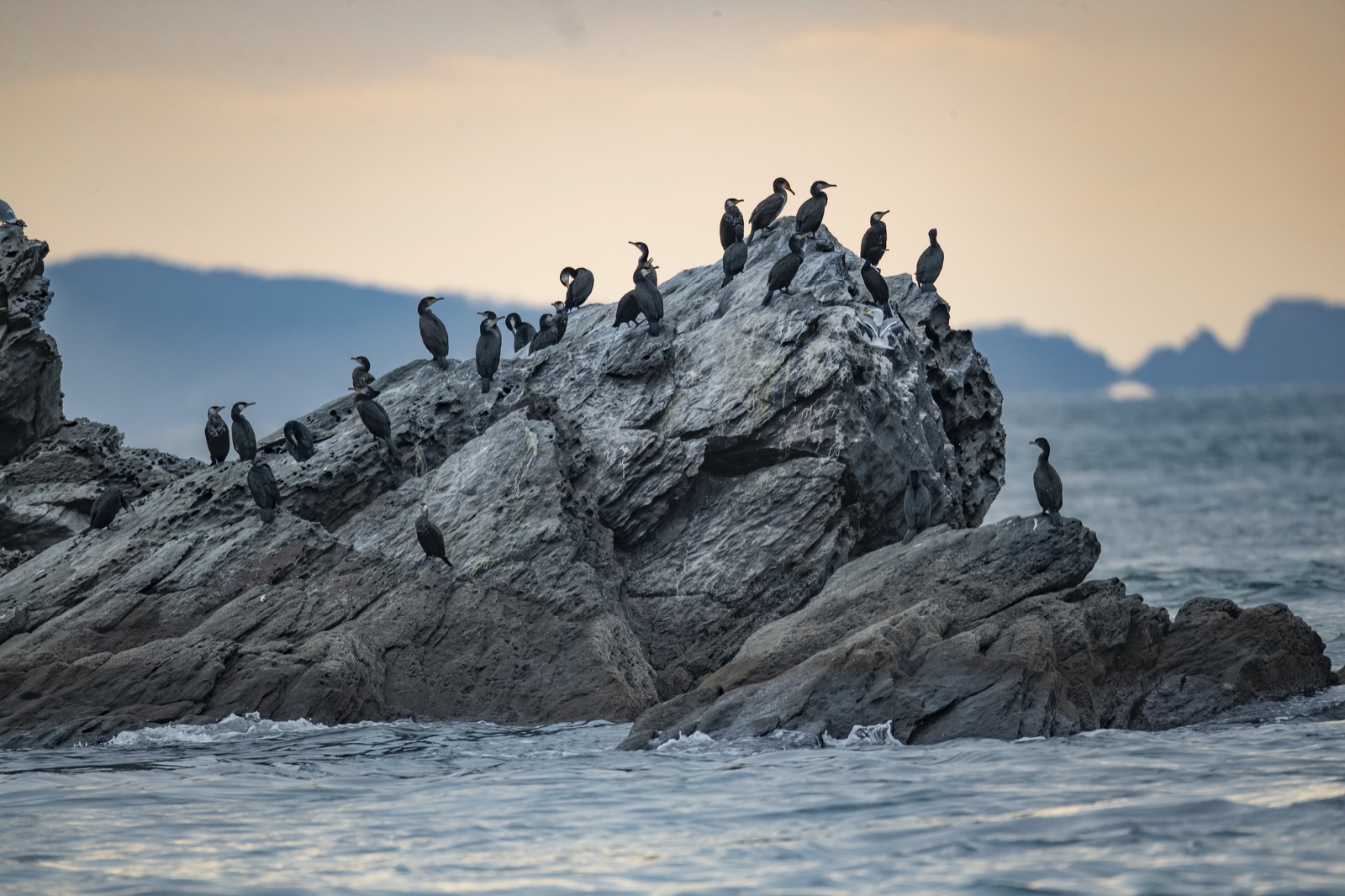
Migratory flocks, island wetlands, and the everyday work of stewardship
On 27 July 2026, the 48th session of the World Heritage Committee approved the boundary modification of the "Migratory Bird Sanctuaries along the Coast of the Yellow Sea and Bohai Gulf of China" World Natural Heritage property, formally inscribing the migratory bird habitat of the Changshan Islands as a new component of the World Heritage List. This archipelago of 4,962.62 hectares has thus become a key node in the global migratory bird protection network.
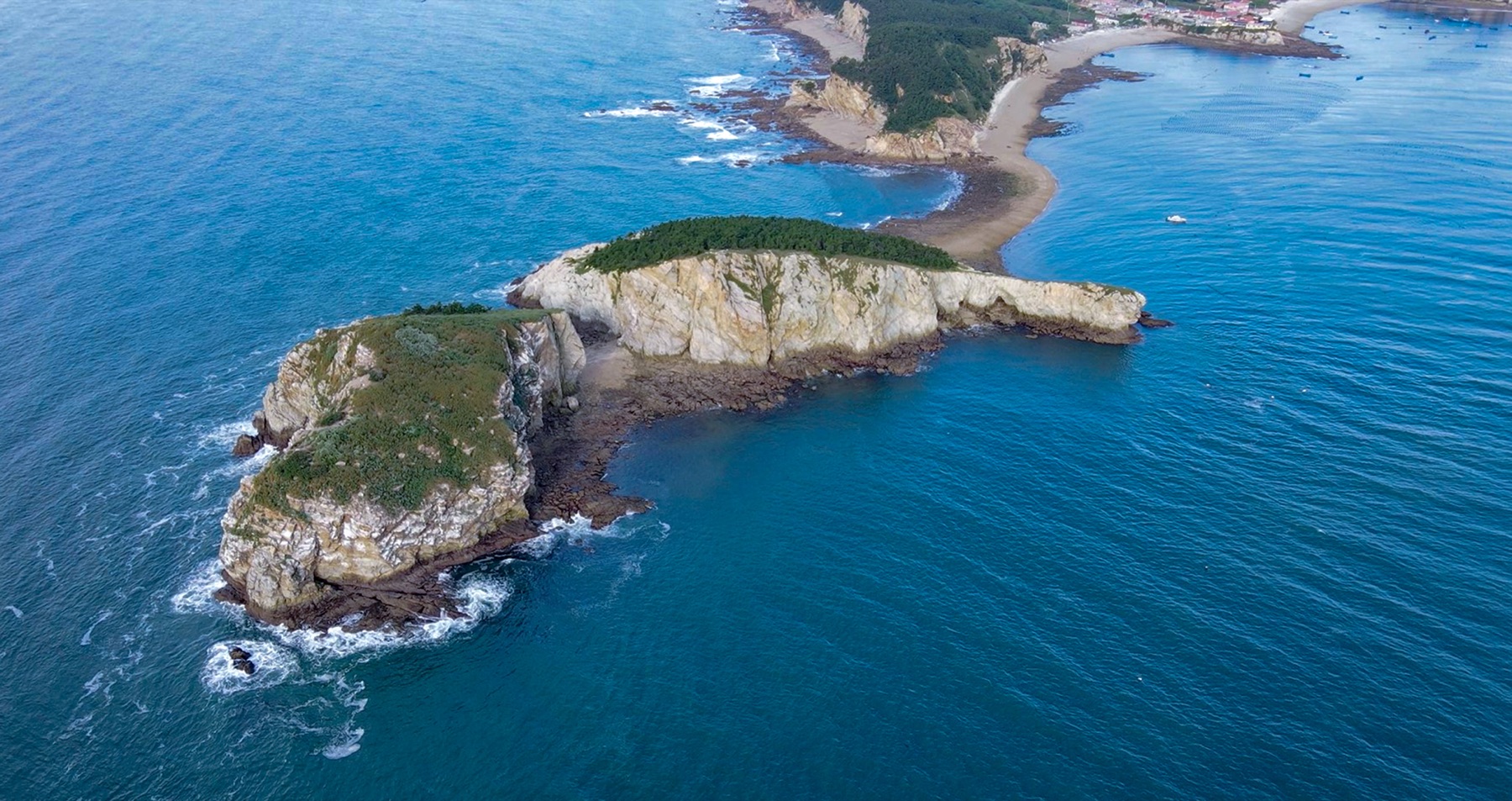

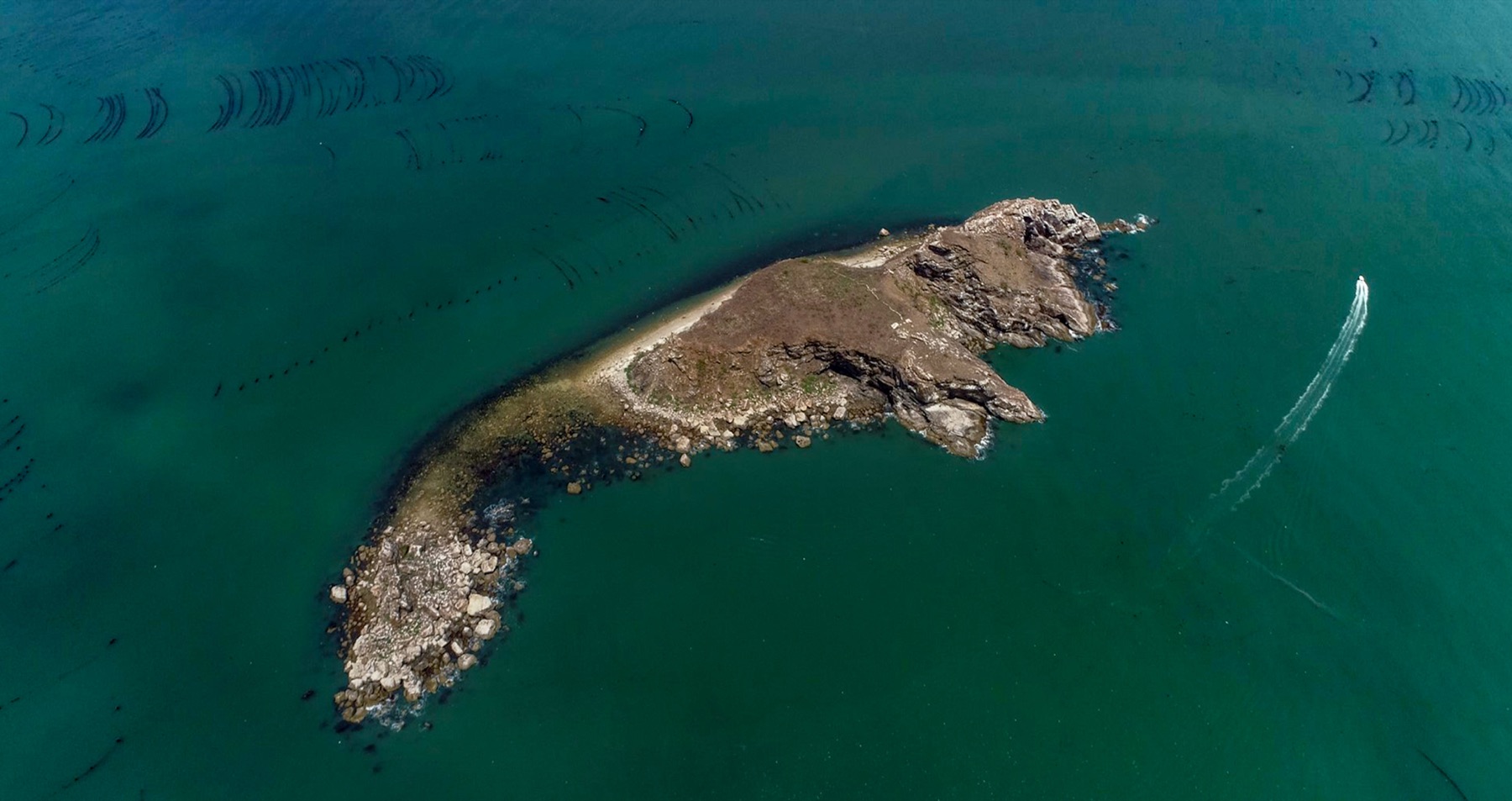
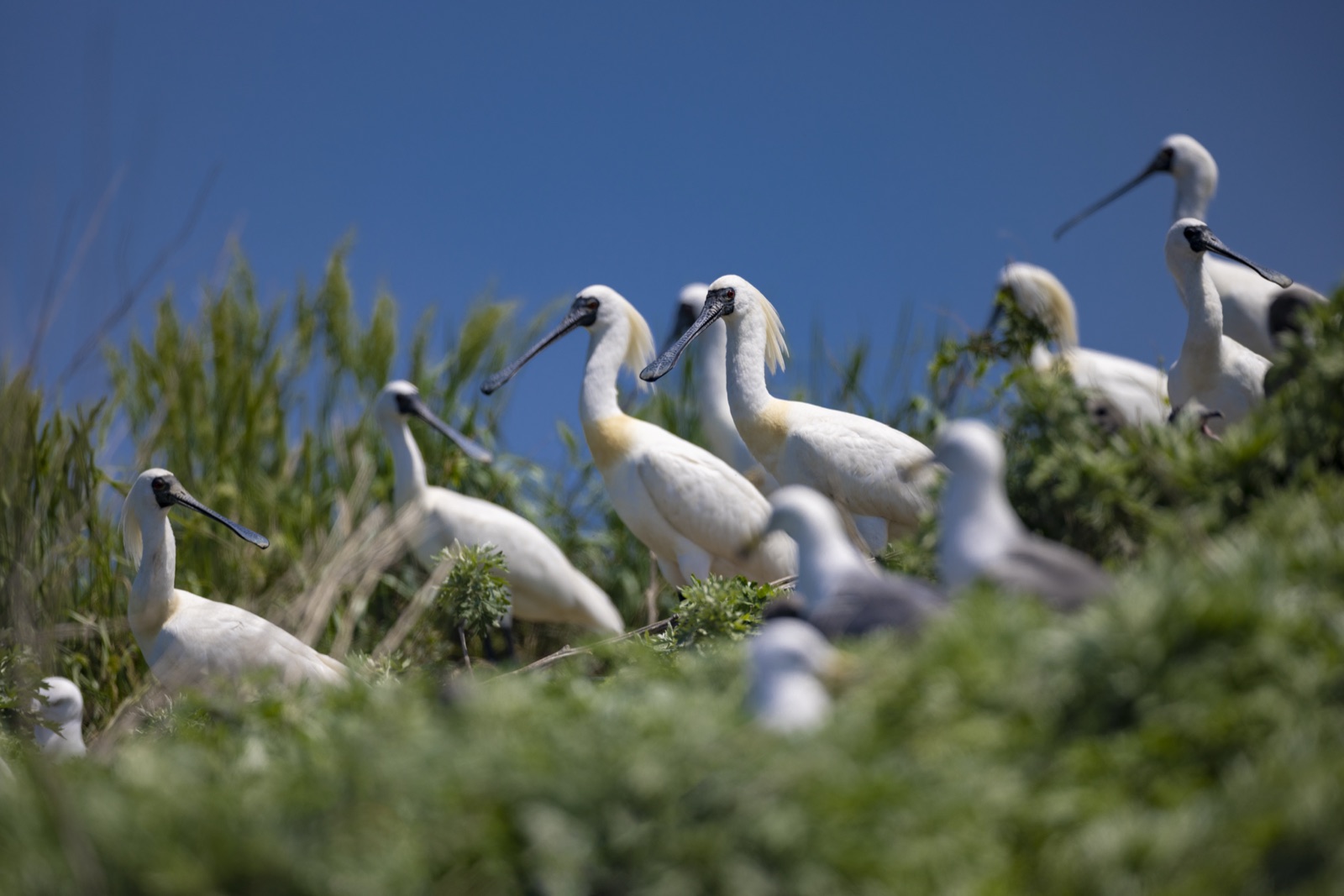
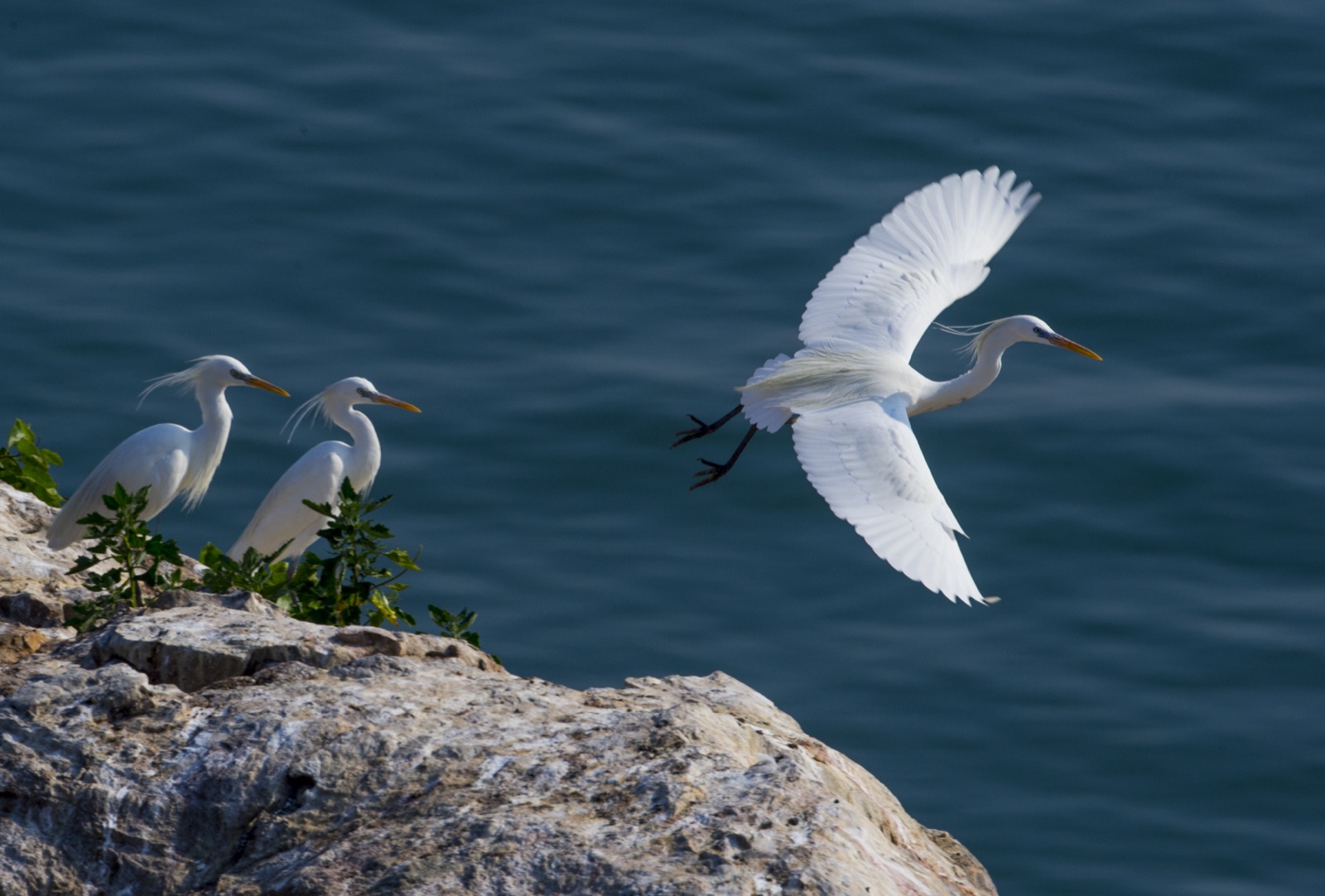
The Changshan Islands lie on the East Asian–Australasian Flyway and constitute one of the most important maritime stopovers for migratory birds crossing the Yellow Sea. They host the world's main breeding population of the Chinese Egret, and are home to rare species such as the Black-faced Spoonbill, Golden Eagle, and Western Pacific Spotted Seal. Over 140 bird species have been recorded within the heritage site, 255 across Changhai County, and more than 100,000 waterbirds pass through each migration season.
Yet heritage status brings not only honor, but higher standards of protection. Climate change is altering the timing of bird migration and the quality of habitats, and island ecosystems are far more fragile than those on the mainland. Administrative management and professional institutions alone are not enough — we need broader public participation, and above all, the action of young people.
Centered on "Climate Adaptation × Biodiversity × Youth Action"
Building and training a core team of youth volunteers to add sustainable public capacity to heritage-site protection.
Conducting standardized bird surveys throughout the migration seasons — species, numbers, behavior, and phenology — to build a shareable citizen-science database.
Developing "climate–ocean–birds" curricula, comic contests, and nature workshops that connect climate and biodiversity for the public.
Designing strictly limited low-carbon birding routes and exploring "bird-friendly seafood" certification so communities gain sustainable income from protection.
Establishing liaison mechanisms with island fishers and communities for coastal clean-ups and oral-history documentation, rooting protection in local life.
Sharing the Changshan Islands case at international platforms such as COP31 under UNFCCC observer status, and launching a global network of partner guardian stations.
We are always clear about our boundaries: a youth organization does not replace law enforcement, does not enter core breeding islands, does not disturb wildlife, and does not present citizen data as academic conclusions. What we do is connect — connecting the public with science, communities with conservation, and the local with the global.
In November 2026, the project was officially presented at COP31 in Antalya, Türkiye, launching the "Global Youth Climate Guardian Station" initiative — inviting youth organizations along the flyways to establish guardian stations, sharing data and sharing the responsibility of stewardship.
Our near-term goals: complete the first full citizen-science monitoring cycle and publish the Youth Monitoring Brief in 2027; establish at least five partner guardian stations across the East Asian–Australasian Flyway by 2028.
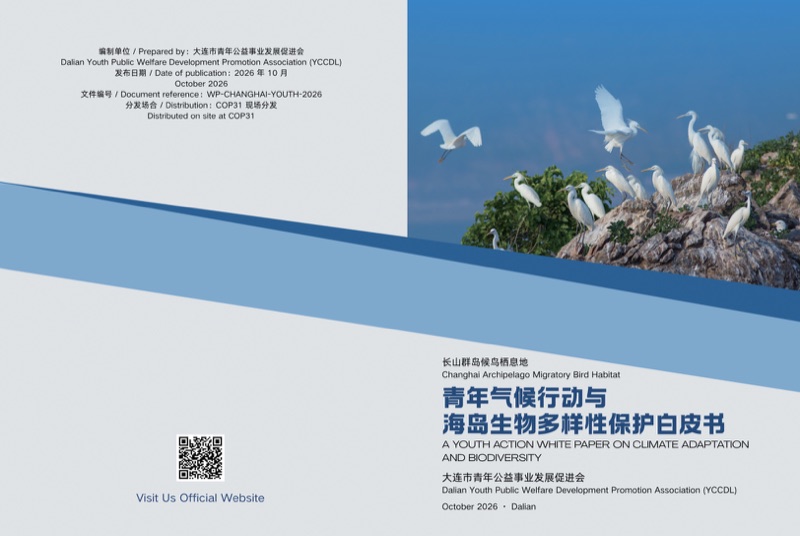
Project background, action framework, monitoring data and the international initiative in full.

Key figures and the project story condensed into one leaflet — ideal for events, conferences and booths.
Download Print PDFIf you believe that action speaks louder than slogans, join us in guarding this flight line across the ocean.